 Zinner & Co. LLP. would like to recognize our esteemed Managing Partner Robin L. Baum, CPA, as a recipient of the 2012 Alumni Medal, the highest honor awarded annually by the Alumni Association of her alma mater, John Carroll University.
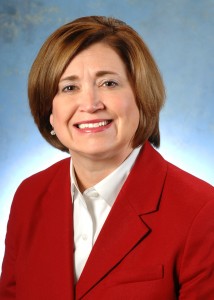

Zinner & Co. LLP. would like to recognize our esteemed Managing Partner Robin L. Baum, CPA, as a recipient of the 2012 Alumni Medal, the highest honor awarded annually by the Alumni Association of her alma mater, John Carroll University.

 Zinner & Co. has joined the Cleveland Play House in kicking off the holiday season with the return of the “Festival of Trees,” a month-long event to help raise support for CPH’s renowned artistic and educational programming.
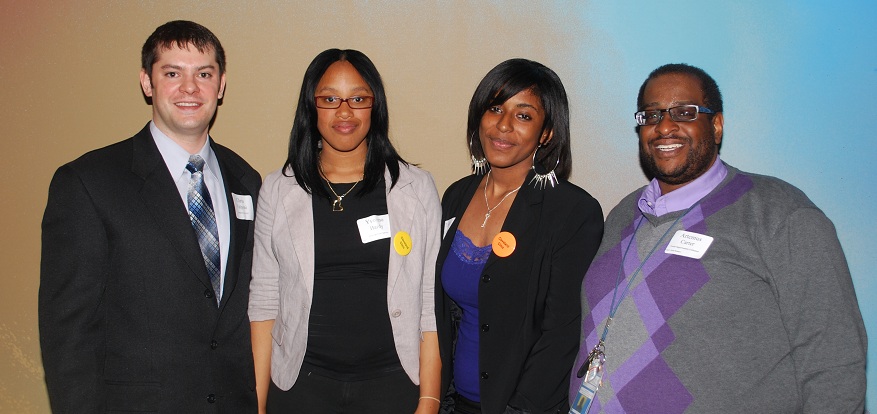
Posted by: Chris Valponi, CPA
read more…
Posted by: Howard J. Kass, CPA, AEP®
read more…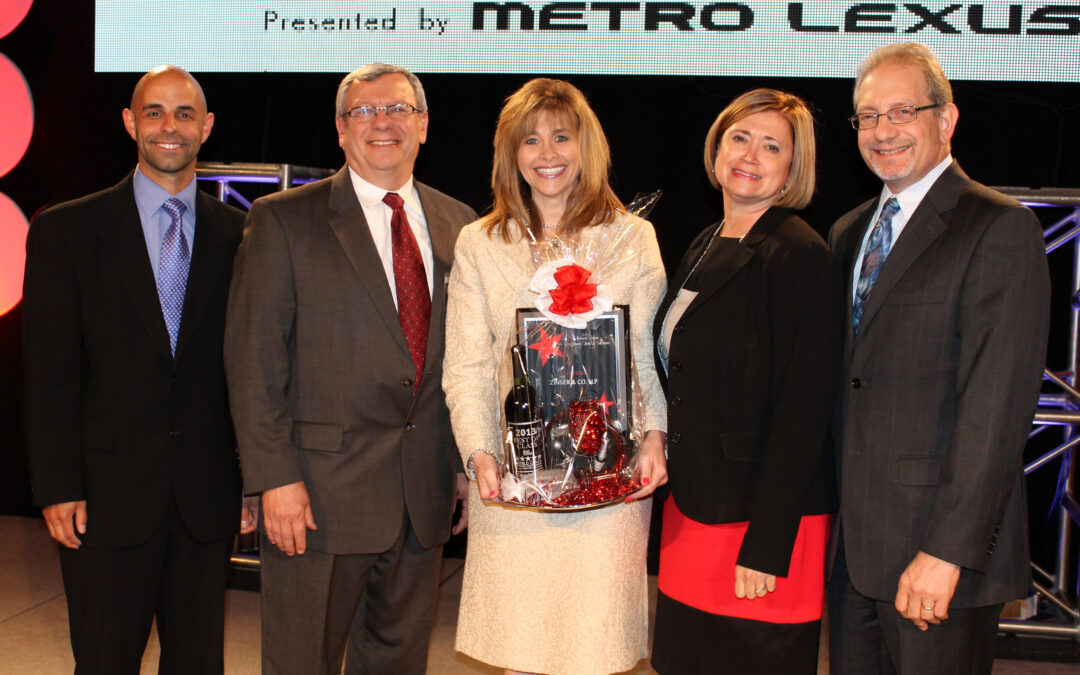

Zinner & Co. was honored to receive two awards from an elite panel of judges at the 2013 Smart Business World Class Customer Service Awards, held June 6 at Executive Caterers at Landerhaven.
The World Class Customer Service Awards serve to raise awareness of the importance of customer service in the business world, recognize organizations that demonstrate exceptional customer service and share best practices in customer service from those that do it the best.
For the second year in a row Zinner & Co. was among the 25 Northeast Ohio companies recognized for a commitment to delivering top-notch customer service. Based off interviews conducted at a VIP reception in April, we were also selected as one of the top “Best in Class” winners this year, garnering us our second award of the night.
Zinner & Co. stands out from the competition due to making “the platinum rule” – do unto others as they want you to do unto them – a mandatory part of our company’s testing and training in our new employee orientation process. We train employees on how to alter their personal communication methods to adapt to how the client wants to be communicated to or is accustomed to being communicated with. We also set firm-wide SMART goals (Specific, Measurable, Accountable, Realistic, Timely) designed to help increase customer service satisfaction with clients.
Zinner & Co. would like to congratulate our good friends at the Greater Cleveland Film Commission for also being recognized for their superior customer service and “Best in Class” designation.
On hand to collect our firm’s two awards were Partners Gabe Adler, Robin Baum, Howard Kass and Susan Krantz and Firm Administrator Matt Aloisi. We look forward to continuing our practice of superior customer service for the next 75 years to come!
Zinner & Co. Tax Partner Howard J. Kass, CPA, AEP® and Tax Manager Brett W. Neate, CPA, MTax, recently attended TIAG’s International Conference in Miami. The conference, which took place on May 5th through 7th, provided TIAG® members with the opportunity to strengthen the relationships they create within the alliance of more than 115 accounting firms from around the world.
read more…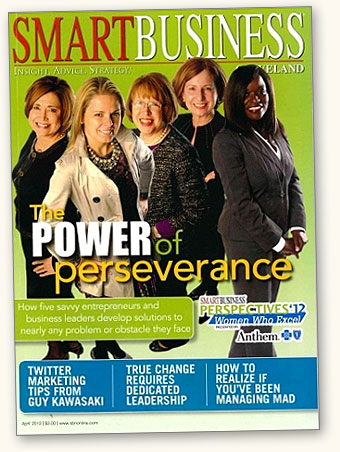
 The month of April normally means the end of the busy tax season, but this year it is quickly being redefined as the month of Zinner Managing Partner Robin Baum!
Already selected as a recipient of the John Carroll University 2012 Alumni Award, Robin was also chosen to be on the panel for the “2012 Perspectives: Women Who Excel” Conference – not to mention the fact that she currently graces the cover of the April issue of Cleveland’s Smart Business magazine.
The conference, sponsored by Smart Business and presented by Anthem Blue Cross and Blue Shield, features Robin and four other leading women executives sharing their insight on what it takes to redefine and reinvigorate personal leadership style in order to develop solutions to overcome obstacles and move a business forward.
“I look at something and if I pose a personal challenge to myself, I’m going to see it through and that’s the definition of perseverance,” says Robin in theSmart Business feature. “I hold my bar higher than anybody could hold it for me.”
Robin will be joined on the “Power of Perseverance” panel by Patricia Adams of Zeitgest Wellness Group, Candace Klein of Bad Girl Ventures, Dr. Kandice Kottke-Marchant from the Cleveland Clinic and Esther Potash from Olympic Steel.
The event, which takes place on Friday, April 13 at Severance Hall, is expected to sell out.
The Smart Business article on Robin can be found online here.
All of us at Zinner & Co. would like to congratulate Robin Baum on another well-deserved recognition!
Posted by: Barbara Theofilos, CPA
read more…Zinner & Co. LLP is proud to announce the addition of four new members to the firm’s dedicated group of diversely skilled professionals.
read more…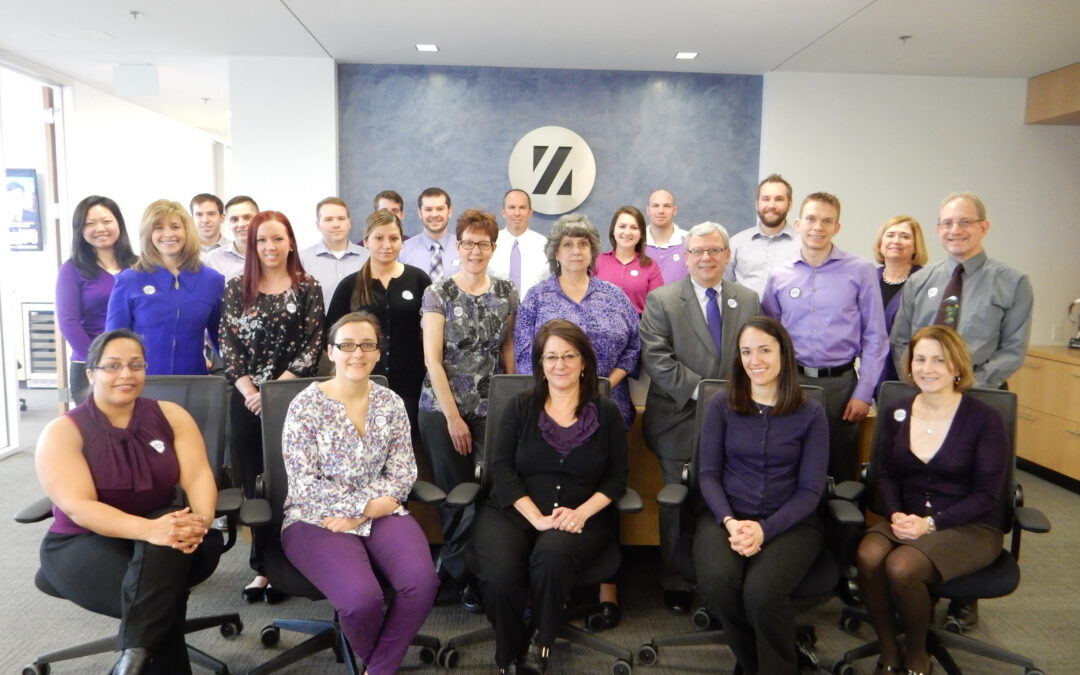
Posted by: Sue Krantz, CPA, CGMA
read more…
Are you thinking about selling your home but worried about the additional tax it could generate? It is possible that you could be one of the many who can sell your home while avoiding the capital gains tax. According to Internal Revenue Code §121, income shall not...
With the increased use of digital devices, the number of cyberattacks has steadily risen. Cybercriminals are always devising new ways to gain access to private information such as social security numbers, bank account details, and credit card numbers. For this reason,...
Choosing the right PC can be a difficult decision, especially for those who are not tech-savvy. With so many options available in the market, it is important to understand the factors you need to consider when you are investing in a new PC. Here are some of the things...
In today's world, technology has become an integral part of our lives. It has revolutionized the way we communicate, work, and interact with the world around us. With the advancement of technology, it has become easier and more convenient to access information,...
Many of us have our faces stuck on screens most of the day. You are either working at a computer, picking up a cell phone to answer email, cruising through social media, or just looking at notifications when you hear that special ding. According to research by dscout,...

Send us your questions and we’ll share our insights with you on our blog!